Benefits
- Physical: balance, mobility and muscle tone
- Psychological: attention, concentration, motivation and self-esteem
- Social: communication and rules of interaction with the horse
- Emotional: overcoming fear, easing tension and inhibitions
Riding · Therapy
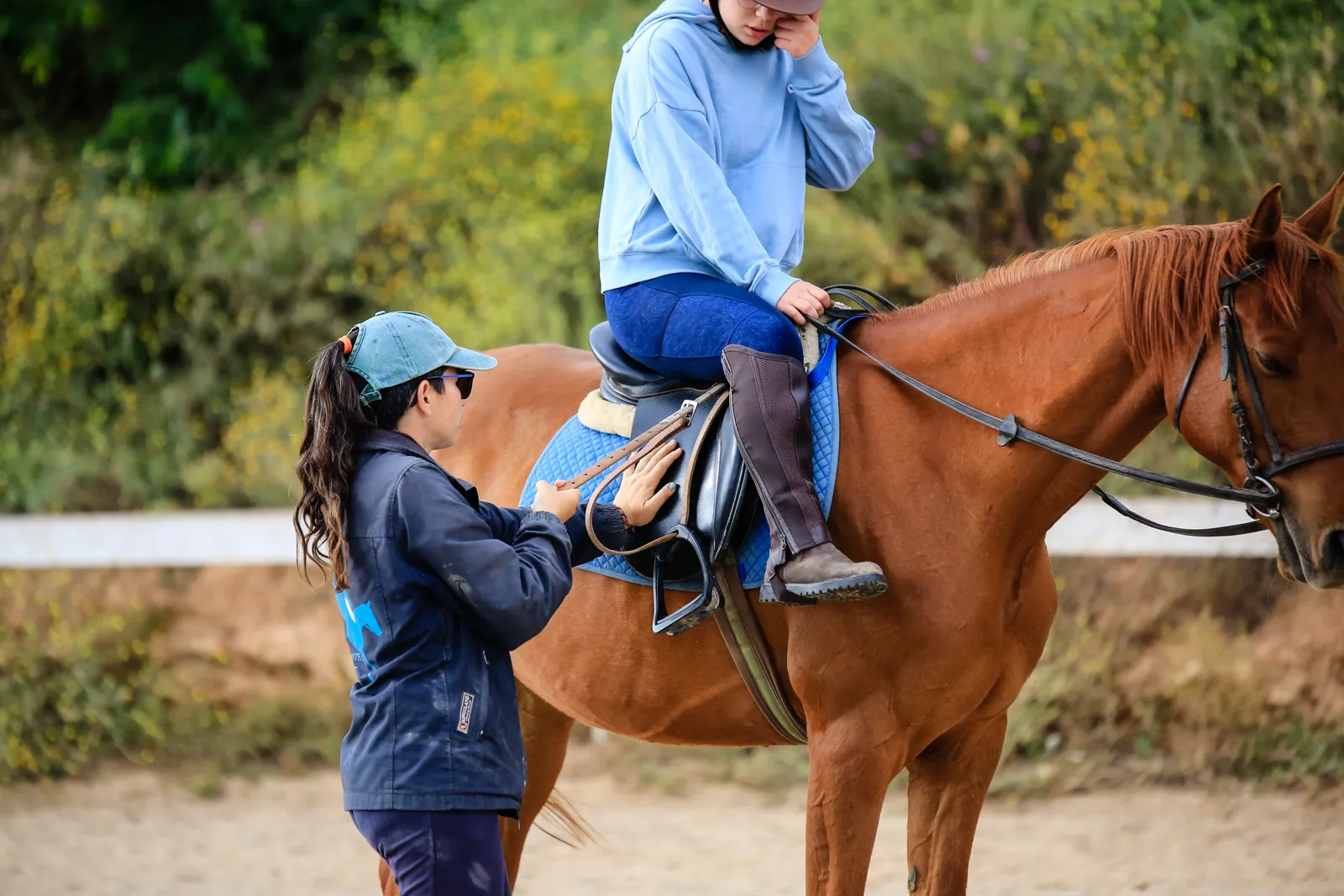
The horse as a therapeutic partner: individual or small-group sessions led by a specialist physiotherapist.
What it is
Equine therapy uses the relationship with the horse as a therapeutic mediator. Riding breaks isolation, creates a bond with the animal, and the horse's movement at walk, similar to human walking, acts as a pattern of stimulation. The effect is not only muscular: it is sensory and emotional too.
Children and adults with cerebral palsy, autism, behavioural disorders, hemiplegia and other needs. Always with a prior assessment to study the benefits and the type of therapy that suits each person best.
Ricard Barnés Torras, physiotherapist (reg. no. 1619) and osteopath, with postgraduate training in traumatology, paediatric and rheumatological physiotherapy, training in the TEACCH method for autism, 6 years' experience in equine therapy and 15 as a physiotherapist for pupils with disabilities.
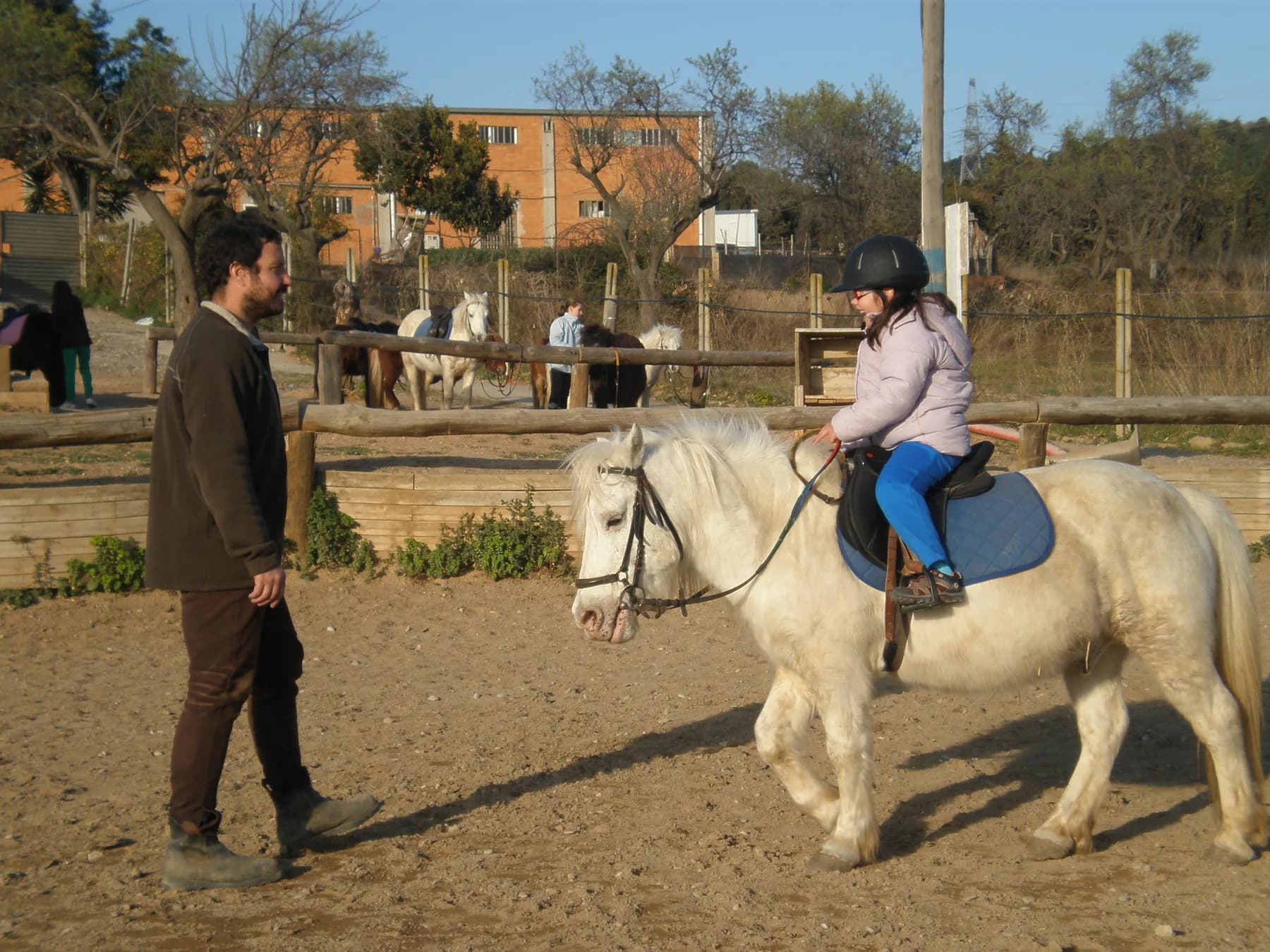
A session
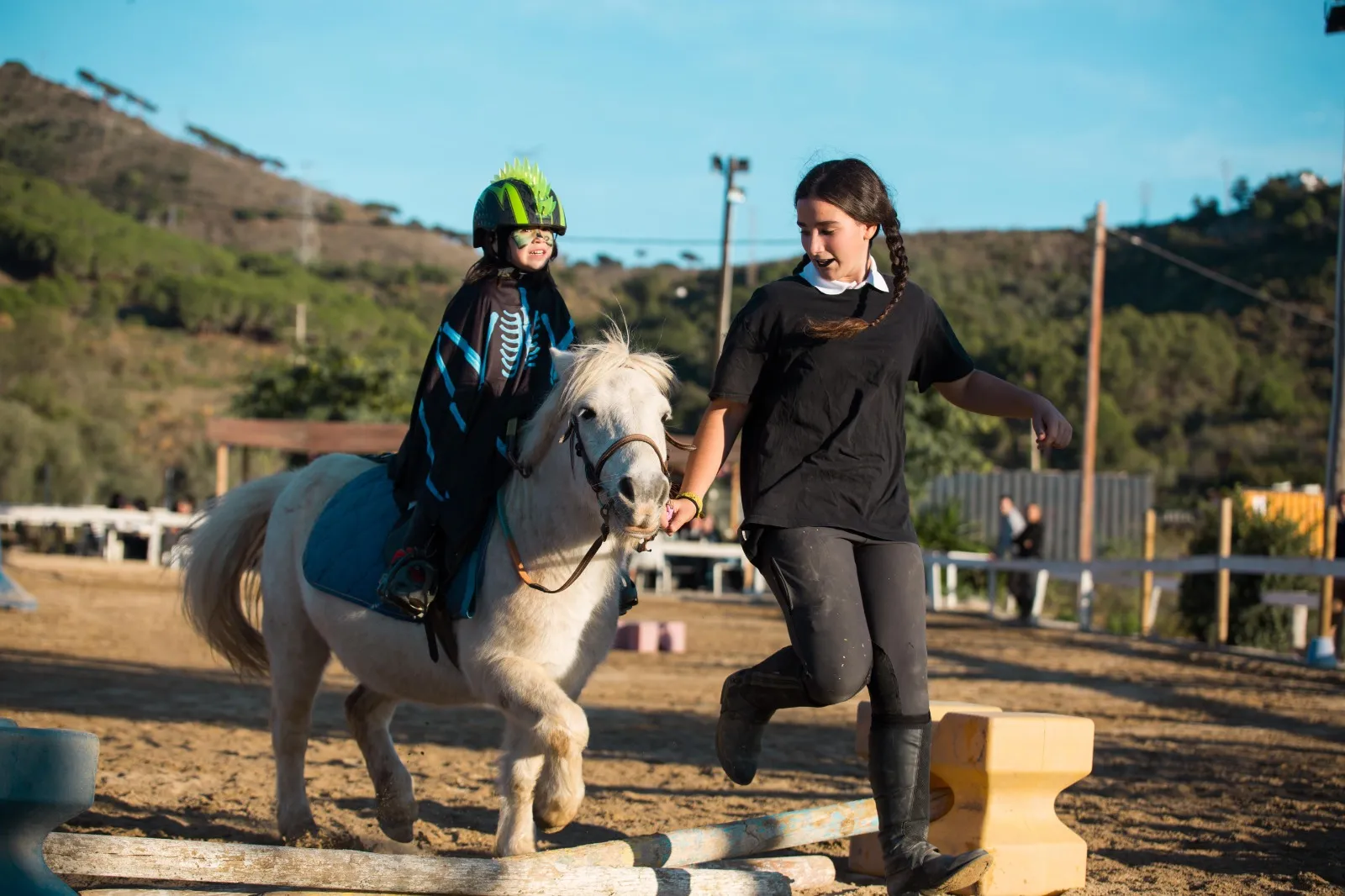
Every session starts with contact with the pony and work at walk, with Ricard alongside. As they progress, pupils gain security, balance and confidence, at their own pace.
First step
Tell him about the case directly by email and arrange a prior assessment to see which therapy fits best.
Riding